As Often as My People Repent Will I Forgive Them

Alma, a Nephite prophet, was troubled by members of the Lord’s church who were committing sin and not repenting. He was hesitant to take action because he didn’t want to judge them wrongly in the Lord’s eyes, but felt action needed to be taken. As he prayed, the Lord revealed the principles discussed in the previous post (This Is My Church) as well as the following:

“…Whosoever transgresseth against me, him shall ye judge according to the sins which he has committed; and if he confess his sins before thee and me, and repenteth in the sincerity of his heart, him shall ye forgive and I will forgive him also. Yea, and as often as my people repent will I forgive them their trespasses against me.” (Mosiah 26:29-30)

Questions:

– Does the Lord forgive sin without repentance?

-What does it mean to truly repent?

-Is it possible to repent if a person doesn’t understand who Christ is and why God the Father sent him?

This is My Church

Alma, the Nephite prophet, was troubled by members of the Lord’s church who were committing sin and not repenting. He was hesitant to take action because he didn’t want to judge them wrongly in the Lord’s eyes, but felt that action needed to be taken. As he prayed, the Lord revealed the following to him:

“…He that will hear my voice shall be my sheep; and him shall ye receive into the church, and him will I also receive. For behold, this is my church; whosoever is baptized shall be baptized unto repentance. And whomever ye receive shall believe in my name; and him will I freely forgive. For it is I that taketh upon me the sins of the world; for it is I that hath created them; and it is I that granteth unto him that believeth unto the end a place at my right hand. For behold, in my name are they called; and if they know me they shall come forth, and shall have a place eternally at my right hand.” (Mosiah 26:21-24)

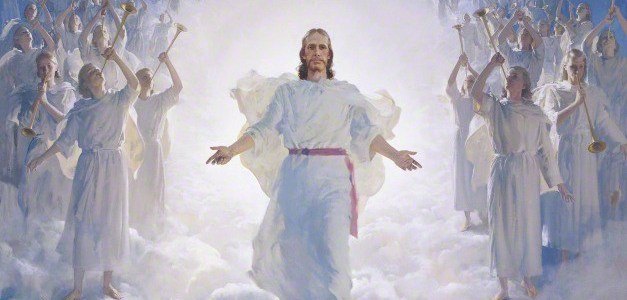
“And it shall come to pass that when the second trump shall sound then shall they that never knew me come forth and shall stand before me. And then shall they know that I am the Lord their God, that I am their Redeemer; but they would not be redeemed. And then I will confess unto them that I never knew them; and they shall depart into everlasting fire prepared for the devil and his angels. Therefore I say unto you, that he that will not hear my voice, the same shall ye not receive into my church, for him I will not receive at the last day.” (Mosiah 26:25-28)

Questions:

-Is the Book of Mormon the Lord’s voice?

-Is the Bible the Lord’s voice?

-Is it possible to heed some of the Lord’s words but ignore others?

-Does the phrase “never knew me” in the passage above suggest that only those who never listened to the Lord’s voice will “depart into everlasting fire?” How rare is it to find a person who never listened to the voice of the Lord?

-How important is it to strive to listen to all that the Lord speaks versus listening selectively?

The Lord Redeemeth None That Rebel Against Him and Die in Their Sins

God always adheres to justice when Christ’s mercy cannot be applied based on the choices individuals make.

“…The Lord redeemeth none such that rebel against him and die in their sins; yea, even all those that have perished in their sins ever since the world began, that have willfully rebelled against God, that have known the commandments of God, and would not keep them….For salvation cometh to none such; for the Lord hath redeemed none such; yea, neither can the Lord redeem such; for he cannot deny himself; for he cannot deny justice when it has its claim.” (Mosiah 15:26-27)

Questions:

-Do you believe it is right that God holds each person responsible for what he or she knows and how he or she acts in relation to that knowledge?

-What causes people to willfully rebel against the gospel knowledge they have?

O How Beautiful upon the Mountains are Their Feet!

O How Beautiful upon the Mountains are Their Feet!

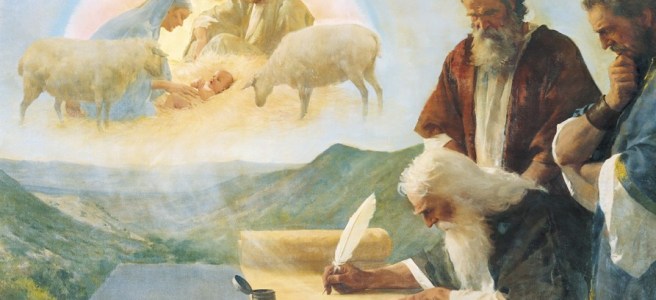
The prophet Abinadi teaches of the vital roll prophets play in helping connect God’s children on earth to Christ and the power of His Atonement. Living before Christ, in the 100s B.C., Abinadi teaches how the prophets helped others look to Christ’s future Atonement.

“Behold, I say unto you, that when his soul has been made an offering for sin he shall see his seed. And now what say ye? And who shall be his seed? Behold I say unto you, that whosoever has heard the words of the prophets, yea, all the holy prophets who have prophesied concerning the coming of the Lord—I say unto you, that all those who have hearkened unto their words, and believed that the Lord would redeem his people, and have looked forward to that day for a remission of their sins, I say unto you, that these are his seed, or they are the heirs of the kingdom of God. For these are they whose sins he has borne; these are they for whom he has died, to redeem them from their transgressions. And now, are they not his seed?” (Mosiah 15:10-12)

“Yea, and are not the prophets, every one that has opened his mouth to prophesy, that has not fallen into transgression, I mean all the holy prophets ever since the world began? I say unto you that they are his seed. And these are they who have published peace, who have brought good tidings of good, who have published salvation; and said unto Zion: Thy God reigneth! And O how beautiful upon the mountains were their feet! And again, how beautiful upon the mountains are the feet of those that are still publishing peace! And again, how beautiful upon the mountains are the feet of those who shall hereafter publish peace, yea, from this time henceforth and forever!” (Mosiah 15:13-17)

Questions:

-How important is it to hear the words of the prophets (past and present)?

-In our time do true prophets still help us look to, and receive, the Atonement that Christ has worked out in our behalf?

-Is it possible to publish the peace and meaning that the gospel of Jesus Christ brings without being a prophet?


Thou Shalt Not Covet

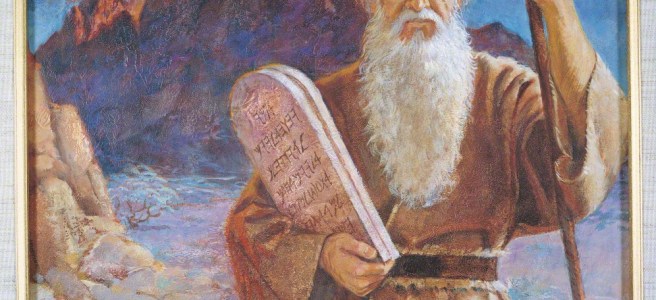
The Book of Mormon record reemphasizes the importance of the Ten Commandments given by God to the Israelite people. The Nephite prophets who taught their people and recorded scripture drew on a record called the Brass Plates (which were brought from Jerusalem) that contained most of writings of the prophets found in the Old Testament up to 600 B.C., including the book of Exodus containing the Ten Commandments.

The tenth of the Ten Commandments warns against the sin of always wanting more than one has (and envying those who seem to have more).

Thou shalt not covet thy neighbor’s house, thou shalt not covet thy neighbor’s wife, nor his manservant, nor his maid-servant, nor his ox, nor his ass, nor anything that is thy neighbor’s. (Mosiah 13:24 – Compare Exodus 20:17)

Questions:

-Is runaway materialism more or less inevitable when this commandment is not kept?

-What does the Ten Commandments being repeated in the Book of Mormon say about God’s view of their importance (and their timeless application for His children as a baseline for righteous living)?

If My People Shall Sow Filthiness They Shall Reap the Chaff Thereof in the Whirlwind; and the Effect Thereof is Poison

God holds those who have the truths of the gospel to a higher standard than those who do not. A people who have God’s commandments and do not live by them reap destruction by their sinful actions.

“…The Lord hath said: I will not succor my people in the day of their transgression; but I will hedge up their ways that they prosper not; and their doings shall be as a stumbling block before them. And again, he saith: If my people shall sow filthiness they shall reap the chaff thereof in the whirlwind; and the effect thereof is poison. And again he saith: If my people shall sow filthiness they shall reap the east wind, which bringeth immediate destruction.” (Mosiah 7:29-32)

Questions:

-Is it reasonable that God would treat those who know better, and do wrong anyway, differently than those who do wrong without knowing better?

-What do the quick and unequivocal judgments God sends — to His people who know better and choose to do wrong in mortality anyway — say about how much He wants to keep his children awake to eternal consequences?

Remember and Perish Not

For those who have made the commitment to follow Jesus Christ, King Benjamin teaches that uncompromising spiritual watchfulness is required.

“…I cannot tell you all the things whereby ye may commit sin; for there are divers ways and means, even so many that I cannot number them. But this much I can tell you, that if ye do not watch yourselves, and your thoughts, and your words, and your deeds, and observe the commandments of God, and continue in the faith of what ye have heard concerning the coming of our Lord, even unto the end of your lives, ye must perish. And now, O man, remember and perish not.” (Mosiah 4:29-30)

Questions:

-Is it true that the way we treat light and truth, when they are offered to us, determines the amount of light and truth we will have in our lives (both during our mortal experience and in the eternities)?

Whosoever Borroweth of His Neighbor Should Return the Thing That He Borroweth

King Benjamin teaches that borrowing should be done conscientiously to avoid sin.

“…Whosoever among you borroweth of his neighbor should return the thing that he borroweth, according as he doth agree, or else thou shalt commit sin; and perhaps thou shalt cause thy neighbor to commit sin also.” (Mosiah 4:28)

Questions:

-How can borrowing without fulfilling the agreement to return what was borrowed cause a chain reaction of sin?