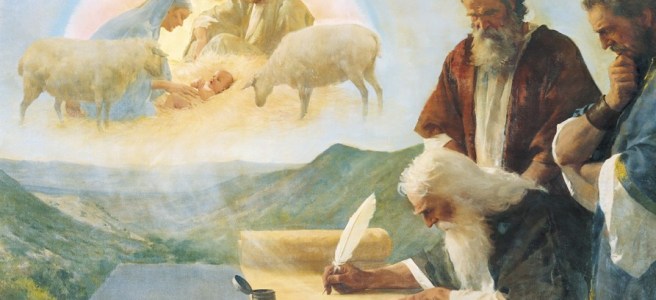
Ye May Liken Them unto You and unto All Men

Before recording many of the words of Isaiah onto the Gold Plates (from which the Book of Mormon was translated), Nephi testifies that Isaiah’s teachings and prophecies have such a sweeping spiritual vision that they are applicable to all people.

“And now I write some of the words of Isaiah, that whoso of my people shall see these words may lift up their hearts and rejoice for all men. Now these are the words, and ye may liken them unto you and unto all men.” (2 Nephi 11:8)

Below is a sampling of the writings of Isaiah as recorded by Nephi:

“…Let us go up to the mountain of the Lord, to the house of the God of Jacob; and he will teach us of his ways, and we will walk in his paths.” (2 Nephi 12:3Map of the Temples of the Church of Jesus Christ of Latter-day Saints)

“O ye wicked ones, enter into the rock, and hide thee in the dust, for the fear of the Lord and the glory of his majesty shall smite thee. And it shall come to pass that the lofty looks of man shall be humbled, and the haughtiness of men shall be bowed down, and the Lord alone shall be exalted in that day. For the day of the Lord of Hosts soon cometh upon all nations, yea, upon every one; yea, upon the proud and lofty and upon every one who is lifted up, and he shall be brought low.” (2 Nephi 12:10-12Second Coming)

“…The idols he shall utterly abolish. And they shall go into the holes of the rocks, and into the caves of the earth, for the fear of the Lord shall come upon them and the glory of his majesty shall smite them, when he ariseth to shake terribly the earth. In that day a man shall cast his idols of silver, and his idols of gold, which he hath made for himself to worship, to the moles and to the bats; To go into the clefts of the rocks, and into the tops of the ragged rocks, for the fear of the Lord shall come upon them and the majesty of his glory shall smite them, when he ariseth to shake terribly the earth.” (2 Nephi 12:18-21Second Coming)

“Cease ye from man, whose breath is in his nostrils; for wherein is he to be accounted of?” (2 Nephi 12:22Worldliness)

“Say unto the righteous that is it well with them; for they shall eat the fruit of their doings. Wo unto the wicked for they shall perish; for the reward of their hands shall be upon them!” (2 Nephi 13:10-11All Men Come unto God to Be Judged of Him)

“In that day shall the branch of the Lord be beautiful and glorious; the fruit of the earth excellent and comely to them that are escaped of Israel. And it shall come to pass, they that are left in Zion and remain in Jerusalem shall be called holy, every one that is written among the living in Jerusalem…” (2 Nephi 14:2-3Millennium)

“…They regard not the work of the Lord, neither consider the operation of his hnds. Therefore, my people are gone into captivity, because they have no knowledge…Therefore hell hath enlarged herself, and opened her mouth without measure; and their glory, and their multitude, and their pomp, and he that rejoiceth, shall descend into it” (2 Nephi 15:12-14Cursed is He Who Putteth His Trust in Man)

“Wo unto them that draw iniquity with cords of vanity, and sin as it were with a cart rope.” (2 Nephi 15:18Sin)

“Wo unto them that call evil good, and good evil, that put darkness for light, and light for darkness, that put bitter for sweet, and sweet for bitter!” (2 Nephi 15:20Deception)

“Wo unto the wise in their own eyes and prudent in their own sight!” (2 Nephi 15:21Pride)

“Wo unto the mighty to drink wine, and men of strength to mingle strong drink.” (2 Nephi 15:22Word of Wisdom)

“…As the fire devoureth the stubble, and the flame consumeth the chaff, their root shall be rottenness, and their blossoms shall go up as dust; because they have cast away the law of the Lord of Hosts, and despised the word of the Holy One of Israel.” (2 Nephi 15:24The Wisdom and Praise of the World is Foolishness before God)

“…His hand is stretched out still.” (2 Nephi 15:25Mercy)

“Sanctify the Lord of Hosts himself, and let him be your fear, and let him be your dread.” (2 Nephi 18:13Fear)

“Wo be unto them that decree unrighteous decrees, and that write grievousness which they have prescribed; To turn away the needy from judgment, and to take away the right from the poor of my people, that widows may be their prey, and that they may rob the fatherless.” (2 Nephi 20:1-2 —  Unrighteousness)

“They shall not hurt nor destroy in all my holy mountain, for the earth shall be full of the knowledge of the Lord, as the waters cover the sea.” (2 Nephi 21:9Millennium)

“The Lord shall set his hand again the second time to recover the remnant of his people which shall be left, from Assyria, and from Egypt, and from Pathros, and from Cush, and from Elam, and from Shinar, and from Hamath and from the islands of the sea. And he shall set up an ensign for the nations, and shall assemble the outcasts of Israel, and gather together the dispersed of Judah from the four corners of the earth. The envy of Ephraim also shall depart, and the adversaries of Judah shall be cut off; Ephraim shall not envy Judah, and Judah shall not vex Ephraim.” (2 Nephi 21:11-13Gathering of Israel)

Sing unto the Lord; for he hath done excellent things…” (2 Nephi 22:5Sing)

“…Mine anger is not upon them that rejoice in my highness.” (2 Nephi 23:3Worship)

“And it shall come to pass in that day that the Lord shall give thee rest, from thy sorrow, and from thy fear, and from the hard bondage wherein thou wast made to serve.” (2 Nephi 24:3MillenniumHouse of Israel)

If There Be No Christ There Be No God

Nephi took great joy in teaching his people about the redemptive power of the promised Messiah. He, Nephi, declares that if there wasn’t a Christ there would be no God.

“…My soul delighteth in proving unto my people that save Christ should come all men must perish. For if there be no Christ there be no God; and if there be no God we are not, for there could have been no creation. But there is a God, and he is Christ, and he cometh in the fulness of his own time.” (2 Nephi 11:6-7)

Questions:

-Why would there be no God if there was no Christ?

-Did Jesus Christ create the earth under God the Father’s direction?

-Did Christ also accept a calling from God the Father to redeem His creation?

-Does the statement that “if there be no Christ there be no God” suggest that a true and loving God would never allow His children to be created and experience the effects of the Fall without also offering them redemption?

-How is Christ the Son of God and also God? Did God the Father give Christ complete autonomy and reign over all that Christ created under the Father’s direction? Is there any difference between what Christ has done and what God the Father would have done in presiding over all creation on the earth?

All Things Which Have Been Given of God from the Beginning of the World Are the Typifying of Christ

From the beginning, all things given by God to mankind have pointed to the Savior Jesus Christ. Nephi understood this and took great joy in teaching his people about the coming of Christ.

“…My soul delighteth in proving unto my people the truth of the coming of Christ; for, for this end hath the law of Moses been given; and all things which have been given of God from the beginning of the world, unto man, are the typifying of him.” (2 Nephi 11:4)

Questions:

-How many in the world were looking for a Messiah before the coming of Christ? Was it only the Jewish people? Or, did others have similar traditions?

By the Words of Three I Will Establish My Word

After using the Gold Plates to record Jacob’s, Isaiah’s, and his own testimony of Christ’s gospel, Nephi states the following:

“…By the words of three, God hath said, I will establish my word. Nevertheless, God sendeth more witnesses, and he proveth all his words.” (2 Nephi 11:3)

Questions:

-Is this principle of three witnesses found in other places in the scriptures?

-Thinking of the Godhead as an example, are the testimonies given by the Father, the Son, and the Holy Ghost from a single source? Or, are these testimonies from three separate Persons who are one in purpose?

-Does each member of the Godhead share His testimony in a unique way? Where in the scriptures do we have the testimony of the Father? Where in the scriptures do we have the testimony of the Son? How does the Holy Ghost share His testimony?

-Did God establish three witnesses to the divine origins of the Book of Mormon? Where can the testimony of those three witnesses by found? (see Testimony of the Three Witnesses)

Latter-day Prophets, Seers, and Revelators

The prophet Joseph Smith expressed his feelings as follows, speaking to his parents, after the Lord revealed the divine origins of the Book of Mormon to three other men: “Father, mother, you do not know how happy I am: the Lord has now caused the plates to be shown to three more besides myself. They have seen an angel, who has testified to them, and they will have to bear witness to the truth of what I have said, for now they know for themselves, that I do not go about to deceive the people, and I feel as if I was relieved of a burden which was almost too heavy for me to bear, and it rejoices my soul, that I am no longer to be entirely alone in the world” (History of Joseph Smith by His Mother, 152).

“…The testimony of the Three Witnesses to the Book of Mormon stands forth in great strength. Each of the three had ample reason and opportunity to renounce his testimony if it had been false, or to equivocate on details if any had been inaccurate. As is well known, because of disagreements or jealousies involving other leaders of the Church, each one of these three witnesses was excommunicated from The Church of Jesus Christ of Latter-day Saints by about eight years after the publication of their testimony. All three went their separate ways, with no common interest to support a collusive effort. Yet to the end of their lives—periods ranging from 12 to 50 years after their excommunications—not one of these witnesses deviated from his published testimony or said anything that cast any shadow on its truthfulness.” (Dallen H. Oaks, “The Witness: Martin Harris”, 37)

The Descendants of the Lehi Will Become a Righteous Branch of the House of Israel

Jacob reiterates God’s promise, also given to his brother Nephi, that his father’s descendants in the Americas will again receive the peace and strength of the restored Gospel (after a time of apostasy, great trials, and destruction).

“…Behold how great the covenants of the Lord, and how great his condescensions unto the children of men; and because of his greatness and his grace and mercy, he has promised unto us that our seed shall not utterly be destroyed, according to the flesh, but that he would preserve them; and in future generations they shall become a righteous branch unto the house of Israel.” (2 Nephi 9:53)

Questions:

-Do you believe that God cares deeply enough about the righteous desires of his children on earth, that He would promise to fulfill them (as He did in the case of Lehi’s family and others in ancient times regarding their descendants)?

-Can you enter into a covenant relationship with God wherein He promises to care for and bless your posterity (to the degree they will let Him)? What about a covenant relationship related to other righteous desires of your heart?

-How would you know God had accepted the covenant? How would you know what God’s specific promises are and what your specific obligations are?

-Is there a church now in existence through which God makes such covenant relationships and makes the related blessings and obligations clear? If so, how did God give the priesthood of this church the authority to officiate the covenant relationships in His name?

-Are the descendants of Lehi becoming a righteous branch of Israel now? Are they largely awake to the covenant blessings that have been established for them? Or, is the awakening still in its early stages?

Nephi Engraved That Which Is Pleasing unto God

Nephi speaks to his people, and all people, about what he chose to engrave in his record (which record became the first part of the Book of Mormon after being translated).

“…I engraved that which was pleasing unto God. And if my people are pleased with the things of God they will be pleased with mine engravings which are upon these plates.” (2 Nephi 5:32)

Questions:

-Do you believe the words engraved by Nephi (and later translated by Joseph Smith) are pleasing to God?

-If so, why do you believe they are? If not, why do you believe they are not?

-Are the messages from the Book of Mormon (such as those posted on this website) pleasing to you?

-If you believe the Bible is the word of God, do you believe the Book of Mormon would confirm so many of the Bible’s teachings and the Bible’s historical accuracy if the Book of Mormon wasn’t also from God?

-How can you know if the teachings in the Book of Mormon are pleasing to God as Nephi testifies? (see Moroni 10:3-5)

Video:


God Will Give Liberally to Him That Asketh

After expressing his eternal trust in the Lord, Nephi also emphasizes how the Lord is standing ready to pour out blessings upon those who ask for that which is right in His eyes.

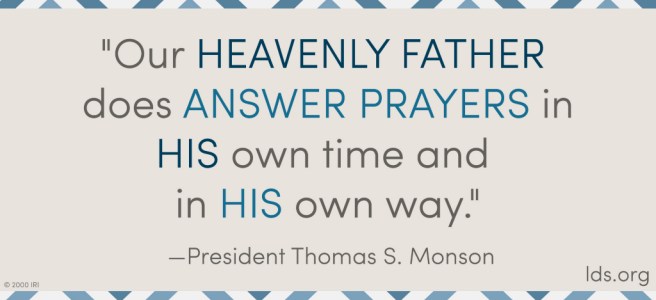
“Yea, I know that God will give liberally to him that asketh. Yea, my God will give me, if I ask not amiss.” (2 Nephi 4:35)

Questions:

-How can we learn to ask not amiss?

-Is it tempting to ask God to override others’ free will? Are there circumstances where He would do so?

-If a prayer is not answered, does that mean the prayer was amiss?

-What is the difference between the timetables one might have in his or her mind for an answer to a righteous prayer and the Lord’s timetable for answering the prayer?

-How does God give liberally to those who ask righteous things of Him?

Cursed is He That Putteth His Trust in Man

After expressing his complete trust in the Lord, Nephi expresses the very compelling reason why he doesn’t place a similar level of trust in his or others’ mortal powers:

O Lord, I have trusted in thee and I will trust in thee forever. I will not put my trust in the arm of flesh; for I know that cursed is he that putteth his trust in the arm of flesh. Yea, cursed is he that putteth his trust in man or maketh flesh his arm.” (2 Nephi 4:34)

Questions:

-Is it possible to function in mortality without putting some trust in yourself and other people?

-Is there a difference between lending trust to others who deserve it and the type of ultimate trust that can be put in God?

-Do many end up worshipping the human brain when the human spirit and the influence of God’s Spirit are disregarded?

God Shall Consecrate Thine Afflictions for Thy Gain

By the time he and his family reached the Americas, Lehi had grown old. Before passing away, he took the opportunity to instruct his family. While speaking to Jacob (Nephi’s younger brother), Lehi touches on the meaning of adversity when it is endured with faith.

“[I]n thy childhood thou hast suffered afflictions and much sorrow, because of the rudeness of thy brethren. Nevertheless, Jacob, my firstborn in the wilderness, thou knowest the greatness of God; and he shall consecrate thine afflictions for thy gain.” (2 Nephi 2:2)

Questions:

-How precious is faithfulness in distress to God?

-How much easier is it to bear your burdens, knowing that God will consecrate them to your gain (if you endure faithfully)?

Teachings of Latter-day Prophets, Seers, and Revelators:

Most of us experience some measure of what the scriptures call “the furnace of affliction” (Isa. 48:101 Ne. 20:10). Some are submerged in service to a disadvantaged family member. Others suffer the death of a loved one or the loss or postponement of a righteous goal like marriage or childbearing. Still others struggle with personal impairments or with feelings of rejection, inadequacy, or depression. Through the justice and mercy of a loving Father in Heaven, the refinement and sanctification possible through such experiences can help us achieve what God desires us to become (Dallin H. Oaks, “Challenge to Become,” 33-34).

The Lord Has Covenanted This Land unto Lehi and His Children Forever

After arriving in the Americas, Nephi recorded more of his father Lehi’s teachings and prophecies. The first recorded prophecy relates to the promised land which they had obtained from the Lord in the Americas…

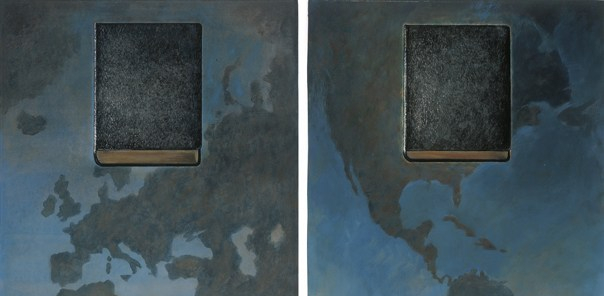
“[W]e have obtained a land of promise, a land which is choice above all other lands; a land which the Lord God hath covenanted with me should be a land for the inheritance of my seed. Yea, the Lord hath covenanted this land unto me, and to my children forever, and also all those who should be led out of other countries by the hand of the Lord. Wherefore, I, Lehi prophesy according to the workings of the Spirit which is in me, that there shall none come into this land save they shall be brought by the hand of the Lord.” (2 Nephi 1:5-6)

Questions:

-Are their Native American groups who are the descendants of Lehi and, thus, have a special God-given privilege to inherit and prosper on certain American lands (much as the Israelites were given a promised land in the Near East by God)?

-Where are these promised lands in the Americas and how do they relate to where the events of the Book of Mormon took place? (To begin exploring the intricacy of this topic, see the quote below and also view the following websites based on a lifetime of research conducted by the archaeologist Garth Norman: www.ancientamericafoundation.org; www.izapa-temple.com)

-Is all North and South America covenanted to Lehi’s descendants? Or, are their promised lands more localized?

-Can individuals or groups, who live in the areas of the Americas promised to Lehi’s descendants, ultimately prosper and find lasting protection without sustaining and cooperating with the children of Lehi?

-Is there a key to Lehi’s descendants finding their full potential — in peace, prosperity and strength — upon the lands promised to them?

-What do the above scriptural passages suggest about God’s will in relation to Columbus, the Pilgrims, and many others that have come to the Americas?

Latter-day Prophets, Seers, and Revelators:

“The eventful destiny of America has also been revealed to God’s prophets. To Joseph Smith the Lord revealed that ‘the whole of America is Zion itself from north to south’ (Teachings of the Prophet Joseph Smith, sel. Joseph Fielding Smith, Salt Lake City: Deseret Book Company, 1938, p. 362). Further, the Lord decreed this land to be ‘the place of the New Jerusalem, which should come down out of heaven, … the holy sanctuary of the Lord’ (Ether 13:3). To serve God’s eternal purposes and to prepare this land for Zion, God ‘established the Constitution of this land, by the hands of wise men whom [He] raised up … and redeemed the land by the shedding of blood’ (D&C 101:80).

The Constitution of the United States was ratified in 1789. The priesthood of God was restored in 1829. Between those two dates is an interval of forty years. It is my conviction that God, who knows the end from the beginning, provided that period of time so the new nation could grow in strength to protect the land of Zion.

In the decade prior to the restoration of the gospel, many countries of South America fought wars of independence to free themselves from European rule. Russia, Austria, and Prussia, however, urged France to aid Spain and Portugal to restore their monarchies in South America. This effort was repulsed by a proclamation from the United States government known as the Monroe Doctrine. The heart of the Monroe Doctrine consists of these words: “The American continents … are henceforth not to be considered as subjects for future colonization by any European powers” (Ezra Taft Benson, “A Witness and A Warning,” 8)