God Has All Power, All Wisdom, All Understanding, and Is a Merciful Being

Ammon teaches about God’s characteristics.

“…[God] has all power, all wisdom, and all understanding; he comprehendeth all things, and he is a merciful Being, even unto salvation, to those who will repent and believe on his name.” (Alma 26:35)

Questions:

-Why is God merciful?

-Does mercy guide how God exercises His endless and perfect power?

-Can power be perfectly exercised without perfect wisdom, perfect understanding, and all-encompassing comprehension?

-Does God ever use His power to force people to do what is good and right?

-Does God allow us to choose between giving our individual wills to Him and withholding our wills from Him?

-Since God is merciful, in addition to all His other perfections, is there any difference between God’s will for us and what is best for us?

Teachings of Latter-Day Prophets, Seers, and Revelators:

From Elder Neal A. Maxwell:

“Some have sincere faith in the existence of a God but not necessarily in a revealing and omniscient God. Other sincere individuals question God’s omniscience, wondering, even though respectfully, whether even God can know the future. But an omniscient and revealing God can at any present moment disclose things future. This is possible because ‘in the presence of God, … all things for their glory are manifest, past, present, and future, and are continually before the Lord’ (D&C 130:7). Thus God ‘knoweth all things, for all things are present before [his] eyes’ (D&C 38:2). He told Moses, ‘There is no God beside me, and all things are present with me, for I know them all’ (Moses 1:6).

“No qualifiers on the scope of God’s knowledge appear in holy writ. Instead, we read: ‘O how great the holiness of our God! For he knoweth all things, and there is not anything save he knows it.’ (2 Nephi 9:20.)” (If Thou Endure It Well [1996], 46).

There is None That Knoweth These Things, Save it be the Penitent

Ammon, a Nephite missionary, teaches that the deepest spiritual truths can only be known after a person awakes to, and acts on, the absolute necessity of relying on Jesus Christ to cross over the abyss of spiritual death and obtain salvation.

“…In his great mercy [Christ] hath brought us over that everlasting gulf of death and misery, even to the salvation of our souls. And now behold, my brethren, what natural man is there that knoweth these things? I say unto you, there is none that knoweth these things, save it be the penitent.” (Alma 26:21)

Questions:

-What brings a person face to face with the reality of spiritual death within him- or herself?

-How difficult is it to face the reality of spiritual death within oneself and then seek to reconcile oneself to God? How tenaciously does the “ego” within a person often fight this process?

There Could Be No Redemption for Mankind Save it Were Through the Death and Suffering of Christ and the Atonement of His Blood

Aaron, a Nephite missionary, teaches that…

“…There could be no redemption for mankind save it were through the death and suffering of Christ, and the atonement of his blood.” (Alma 21:9)

Questions:

-Does God redeem His children (mankind) outside of the demands of justice?

-Was there any other way to satisfy the demands of justice, while still showing mercy, without God providing an atoning Savior?

Teachings of Latter-day Prophets, Seers, and Revelators:

“Christ’s agony in the garden is unfathomable by the finite mind, both as to intensity and cause. … He struggled and groaned under a burden such as no other being who has lived on earth might even conceive as possible. It was not physical pain, nor mental anguish alone, that caused Him to suffer such torture as to produce an extrusion of blood from every pore; but a spiritual agony of soul such as only God was capable of experiencing. No other man, however great his powers of physical or mental endurance, could have suffered so” (James E. Talmage, Jesus the Christ, 3rd ed. [1916], 613).

If Thou Believest in the Redemption of Christ Thou Canst Be Healed

After realizing the extent of his guilt before God, (having helped incite violence against a prophet of God and other innocent people) a Nephite named Zeezrom is completely overwhelmed to the point where he becomes physically ill. As he lies sick in bed, wrestling with the horror of what he has done, he requests a visit from the prophet Alma. When Alma and his companion Amulek hear that Zeerom is in need, they come quickly…

“…and when [Zeezrom] saw them he stretched forth his hand, and besought them that they would heal him. And it came to pass that Alma said unto him, taking him by the hand: Believest thou in the power of Christ unto salvation? And he answered and said: Yea I believe all the words that thou hast taught. And Alma said: If thou believest in the redemption of Christ thou canst be healed. And then Alma cried unto the Lord, saying: O Lord our God, have mercy on this man, and heal him according to his faith which is in Christ. And when Alma had said these words, Zeezrom leaped upon his feet, and began to walk…” (Alma 15:5-11)

Questions:

-How many in the world need the kind of healing that Zeezrom received?

-Is it possible that Zeezrom could have found healing from Christ without Alma’s (or another of the Lord’s servant’s) guidance and help?

-How many, figuratively speaking, would leap out of their spiritual and mental doldrums if they were to believe in the redemption of Christ and receive His Holy Spirit?

-In what ways are physical and spiritual illness sometimes linked?

He is Full of Grace, Equity, and Truth

Alma describes the nature of the glory that fills and radiates from God’s Son, Jesus Christ.

“…The Son of God shall come in his glory; and his glory shall be the glory of the Only Begotten of the Father, full of grace, equity, and truth, full of patience, mercy, and long-suffering, quick to hear the cries of his people and to answer their prayers.” (Alma 9:26)

Questions:

-Have you ever thought of God’s glory in terms of the intensity of His love and goodness towards His creations?

-Would God’s power be glorious (from the human perspective) if it was unaligned with His perfectly pure and generous intentions for our welfare?

The Lord Will Be Merciful unto All Who Call on His Name

Alma teaches of the Lord’s unwavering commitment to assist when sought after.

“…The Lord will be merciful unto all who call on his name.” (Alma 9:17)

Questions:

-In how many ways can the Lord’s mercy be expressed in a life?

-Knowing all things from the beginning, is it possible He will express His mercy in unexpected ways? Or, in ways not requested?

-Does the truth expressed above help explain why missionary work is so important? Is it possible to call on the Lord for mercy if a person doesn’t know there is a loving God from whom help can be received?

Come unto Me and Bring Forth Works of Righteousness

The prophet Alma calls those who are not in good standing with God to change course.

“…Wo unto all ye workers of iniquity; repent, repent, for the Lord God hath spoken it! Behold, he sendeth an invitation unto all men, for the arms of mercy are extended towards them, and he saith: Repent, and I will receive you. Yea, he saith: Come unto me and ye shall partake of the fruit of the tree of life; yea, ye shall eat and drink of the bread and the waters of life freely; Yea, come unto me and bring forth works of righteousness, and ye shall not be hewn down and cast into the fire—for behold, the time is at hand that whosoever bringeth forth not good fruit, or whosoever doeth not the works of righteousness, the same have cause to wail and mourn.” (Alma 5:32-36)

Questions:

-Based on the passage above, how willing is God to receive those who are willing to repent?

-Has a person truly repented if they don’t bring about good works in the world?

-What are works of righteousness? Can good things be done for less than the best reasons?

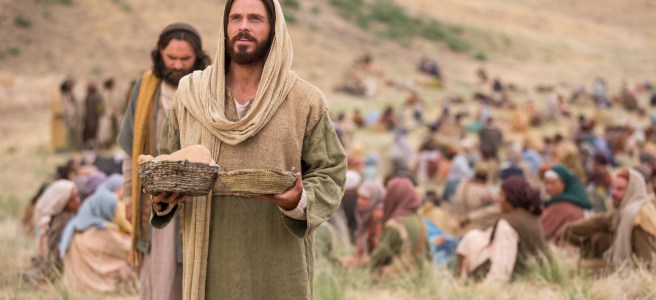
-How important is it to come to Christ before seeking to do good? Does He have the power to greatly multiply the efficacy of our works in a manner similar to how He multiplied the disciple’s loaves and fish for the multitude as recorded in the New Testament? (Mark 6:35-44)

The Lord Extends the Arm of Mercy Towards Them That Put Their Trust in Him

King Mosiah refers back to a (then) recent event in Nephite history to help teach an essential principle about how God works with his children.

“Yea, remember king Noah, his wickedness and his abominations, and also the wickedness and abominations of his people. Behold what great destruction did come upon them; and also because of their iniquities they were brought into bondage. And were it not for the interposition of their all-wise Creator, and this because of their sincere repentance, they must unavoidably remain in bondage until now. But behold, he did deliver them because they did humble themselves before him; and because they cried mightily unto him he did deliver them out of bondage; and thus doth the Lord work with his power in all cases among the children of men, extending the arm of mercy towards them that put their trust in him.” (Mosiah 29:18-20)

Questions:

-Are you in bondage to a situation or an addiction?

-Do you believe the above verses describe the only way to obtain true freedom?

-What does it mean to repent? (click the “repentance” link above)

-What does it mean to humble oneself before the Lord? (click the “humble” link above)

-What does it mean to trust in God? (click the “trust” link above)

For a Free Copy of the Book of Mormon go to: https://www.comeuntochrist.org/beliefs/book-of-mormon-request

I, the Lord God, Do Visit My People in Their Afflictions

The Nephites following the prophet Alma were required to endure captivity for a time, but the Lord helped them through their trials and declared the following to them:

“…Ye may know of a surety that I, the Lord God, do visit my people in their afflictions.” (Mosiah 24:14)

Questions:

-Can a person come to know God more from the trials he or she passes through than from times of ease?

-Are greater blessings granted to those who are keeping the commandments and following the voice of the Spirit?

The Arms of Mercy Were Extended Towards Them and They Would Not

In teaching (and warning) King Noah and his priests, the prophet Abinadi reemphasizes what other prophets had taught before him: The Resurrection and the Judgment are closely tied and, together, define the eternal state of each soul.

“…This mortal shall put on immortality, and this corruption shall put on incorruption, and shall be brought to stand before the bar of God, to be judged of him according to their works whether they be good or whether they be evil—If they be good, to the resurrection of endless life and happiness; and if they be evil, to the resurrection of endless damnation, being delivered up to the devil, who hath subjected them, which is damnation—Having gone according to their own carnal wills and desires; having never called upon the Lord while the arms of mercy were extended towards them; for the arms of mercy were extended towards them, and they would not; they being warned of their iniquities and yet they would not depart from them; and they were commanded to repent and yet they would not repent.” (Mosiah 16:10-12)

Questions:

-Does God make sure that we are given every chance in mortality (and even in the spirit world) to turn to Him?

-By the time of the Resurrection will everyone’s true desires be expressed through the actions they took leading to that culminating event?