Come unto That God Who Is the Rock of Your Salvation

Knowing his people had a clear knowledge of God’s law, Jacob pleads with them to not be entangled in sin but to turn with a repentant heart toward the true God.

“…Turn away from your sins; shake off the chains of him that would bind you fast; come unto that God who is the rock of your salvation. Prepare your souls for that glorious day when justice shall be administered unto the righteous, even the day of judgment, that ye may not shrink with awful fear; that ye may not remember your awful guilt in perfectness, and be constrained to exclaim: Holy, holy are thy judgments, O Lord God Almighty–but I know my guilt; I have transgressed thy law, and my transgressions are mine; and the devil hath obtained me, that I am prey to his awful misery.” (2 Nephi 9:45-46)

Questions:

-Are you actively preparing your soul for the Day of Judgment?

-Who must you rely on to be prepared?

-To prevent being bound by the chains of sin, does a reliance on Christ need to be a constant daily endeavor? Is participating in this daily endeavor the difference between being spiritually-minded and being carnally-minded?

-Why will any remaining guilt be remembered with perfectness at the Day of Judgment?

-How can all guilt be washed away before the Day of Judgment?

The Guilty Take the Truth to be Hard

When Nephi teaches his older brothers about the justice of God, they are offended. Because of the way they had lived their lives up to that point, it appears their consciences were troubled by what Nephi — in the power of the Spirit — had to say about the fate of the wicked. In teaching his brothers about why they were offended, Nephi expresses a general truth about how the guilty respond when reminded of the precarious spiritual state they are in:

“…After I, Nephi, had made an end of speaking to my brethren, behold they said unto me: Thou hast declared unto us hard things, more than we are able to bear. And…I said unto them that I knew that I had spoken hard things against the wicked, according to the truth…and the guilty taketh the truth to be hard, for it cutteth them to the very center. And now my brethren, if ye were righteous and were willing to hearken to the truth, and give heed unto it, that ye might walk uprightly before God, then ye would not murmur because of the truth and say: Thou speakest hard things against us.” (1 Nephi 16:1-3)

Questions: 

-Is it possible for a person to be wicked (in the way Nephi uses the word above) if that person doesn’t know what God expects of them? Did Laman and Lemuel — Nephi’s two older brothers – know what God expected of them? Had their father taught them well (see 1 Nephi 1:1)? Had they seen an angel of God (see 1 Nephi 3:28-29)?

-If you believe in God, do you know what He expects of you? Would a just God ever reject those who did not have the opportunity to learn what He expects from them? Are the eternal stakes higher when we do know what God expects of us? Is it valuable to always be striving to learn more about what God expects of us?

-Does everyone have some sense of what is right and wrong by God’s true and perfect standard? Is Western culture, in general, currently open to the idea of there being a perfect standard of right and wrong — upheld by a perfect God – by which all will be judged? How likely will those who are not open to this perfect standard be to seek mercy through Jesus Christ’s Atonement?

Teachings of Latter-day Prophets, Seers, and Revelators  

“When the prophet points out the sins of the world, the worldly either want to close the mouth of the prophet, or else act as if the prophet didn’t exist, rather than repent of their sins. Popularity is never a test of truth. … As we come closer to the Lord’s second coming you can expect that as the people of the world become more wicked, the prophet will be less popular with them” (Teachings of Presidents of the Church: Ezra Taft Benson [2014], 152).

“The scriptures testify that the proud are easily offended and hold grudges…They withhold forgiveness to keep another in their debt and to justify their injured feelings. The proud do not receive counsel or correction easily. (See Prov.15:10; Amos 5:10) Defensiveness is used by them to justify and rationalize their frailties and failures. (See Matt. 3:9; John 6:30-59.)” (President Ezra Taft Benson, “Beware of Pride”).

“God is not only there in the mildest expressions of His presence, but also in those seemingly harsh expressions. For example, when truth ‘cutteth . . . to the very center’ (1 Nephi 16:2), this may signal that spiritual surgery is underway, painfully severing pride from the soul” (Neil A. Maxwell, https://www.churchofjesuschrist.org/study/general-conference/1987/10/yet-thou-art-there?lang=eng).

This Is My Gospel

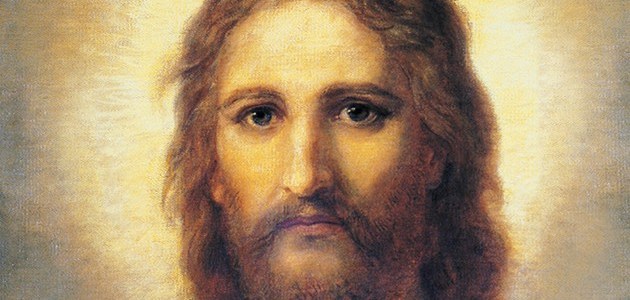
Christ describes His gospel to His disciples in the Americas (about A.D. 34). The culmination of His atoning sacrifice —having suffered for all the sins of mankind and having felt all the pains of mankind before dying on the cross outside of Jerusalem — established His unalterable place as the Judge of all mankind. Accordingly, God the Father has given his Son, Jesus Christ, the power to draw every human soul into His presence to be judged at the time of the Resurrection.  

“…This is my gospel…that I came into the world to do the will of my Father, because my Father sent me. And my Father sent me that I might be lifted up upon the cross; and after that I had been lifted up upon the cross, that I might draw all men unto me, that as I have been lifted up by men even so should men be lifted up by the Father, to stand before me, to be judged of their works, whether they be good or whether they be evil—And for this cause have I been lifted up; therefore, according to the power of the Father I will draw all men unto me, that they may be judged according to their works. And it shall come to pass, that whoso repenteth and is baptized in my name shall be filled; and if he endureth to the end, behold, him will I hold guiltless before my Father at that day when I shall stand to judge the world. And he that endureth not unto the end, the same is he that is also hewn down and cast into the fire, from whence they can no more return, because of the justice of the Father.” (3 Nephi 27:13-17)

Questions:

-What does it mean to endure to the end (after repenting and being baptized in Christ’s name)?

-Is the opportunity to be held guiltless before God (the ultimate Authority) something that your soul yearns for?

If Thou Believest in the Redemption of Christ Thou Canst Be Healed

After realizing the extent of his guilt before God, (having helped incite violence against a prophet of God and other innocent people) a Nephite named Zeezrom is completely overwhelmed to the point where he becomes physically ill. As he lies sick in bed, wrestling with the horror of what he has done, he requests a visit from the prophet Alma. When Alma and his companion Amulek hear that Zeerom is in need, they come quickly…

“…and when [Zeezrom] saw them he stretched forth his hand, and besought them that they would heal him. And it came to pass that Alma said unto him, taking him by the hand: Believest thou in the power of Christ unto salvation? And he answered and said: Yea I believe all the words that thou hast taught. And Alma said: If thou believest in the redemption of Christ thou canst be healed. And then Alma cried unto the Lord, saying: O Lord our God, have mercy on this man, and heal him according to his faith which is in Christ. And when Alma had said these words, Zeezrom leaped upon his feet, and began to walk…” (Alma 15:5-11)

Questions:

-How many in the world need the kind of healing that Zeezrom received?

-Is it possible that Zeezrom could have found healing from Christ without Alma’s (or another of the Lord’s servant’s) guidance and help?

-How many, figuratively speaking, would leap out of their spiritual and mental doldrums if they were to believe in the redemption of Christ and receive His Holy Spirit?

-In what ways are physical and spiritual illness sometimes linked?

The Spirit and the Body Shall be Reunited Again in Its Perfect Form

Amulek teaches about the meaning and reality of the Resurrection made possible through Jesus Christ.

Now, there is a death which is called a temporal death; and the death of Christ shall loose the bands of this temporal death, that all shall be raised from this temporal death. The spirit and the body shall be reunited again in its perfect form; both limb and joint shall be restored to its proper frame, even as we now are at this time; and we shall be brought to stand before God, knowing even as we know now, and have a bright recollection of all our guilt. Now, this restoration shall come to all, both old and young, both bond and free, both male and female, both the wicked and the righteous; and even there shall not so much as a hair of their heads be lost; but every thing shall be restored to its perfect frame, as it is now, or in the body, and shall be brought and be arraigned before the bar of Christ the Son, and God the Father, and the Holy Spirit, which is one eternal God, to be judged according to their works, whether they be good or whether they be evil….[T]his mortal body is raised to an immortal body, that is from death, even from the first death unto life, that they can die no more; their spirits uniting with their bodies, never to be divided; thus the whole becoming spiritual and immortal, that they can no more see corruption. (Alma 11:42-45)

Questions:

-Do you believe that, because of Christ’s Resurrection, He has cleared the way for all of us to be resurrected as described in these verses?

-Will those who have repented and sought shelter in Christ’s power have any sense of guilt at the time of the Judgment?

He Who Envies Is Not Found Guiltless

Alma identifies envy as an attribute that undermines one’s preparedness to meet God.

“…Is there one among you who is not stripped of envy? I say unto you that such an one is not prepared; and I would that he should prepare quickly, for the hour is close at hand, and he knoweth not when the time shall come; for such as one is not found guiltless.” (Alma 5:29)

Questions:

-What is envy? (Click the “envy” link above for a definition)

-Why does being an envious person assign guilt in God’s eyes?

-In what sense is the hour of judgment close at hand for every living soul? Does anyone know exactly when this or her life will end?

There Can No Man Be Saved Except His Garments Are Washed White

Alma compares the purification of the soul, necessary to meet God with a clear conscience, with the wearing of white clothes that have been washed perfectly clean. Only the Atonement of Jesus Christ makes it possible to stand before God without stain. Those who have not drawn on the cleansing power of Christ’s Atonement will stand before God with the spiritual equivalent of filthy clothes due to the stain of sin. Alma asks a series of questions showing, when answered honestly, that one’s current status before God can be assessed now. It is not necessary, or wise, to wait for the final assessment that will occur at the Last Judgment.

“Do ye exercise faith in the redemption of him who created you? Do you look forward with an eye of faith, and view this mortal body raised in immortality, and this corruption raised in incorruption, to stand before God to be judged according to the deeds which have been done in the mortal body? I say unto you, can you imagine to yourselves that ye hear the voice of the Lord, saying unto you, in that day: Come unto me ye blessed for behold, your works have been the works of righteousness upon the face of the earth?” (Alma 5:15-16)

“Or do you imagine to yourselves that ye can lie unto the Lord in that day, and say—Lord, our works have been righteous works upon the face of the earth—and that he will save you? Or, otherwise, can ye imagine yourselves brought before the tribunal of God with you souls filled with guilt and remorse, having a remembrance of all your guilt, yea, a perfect remembrance of all your wickedness, yea, a remembrance that ye have set at defiance the commandments of God?” (Alma 5:17-18)

“I say unto you, can you look up to God at that day with a pure heart and clean hands? I say unto you, can you look up, having the image of God engraven upon your countenances? I say unto you, can ye think of being saved when you have yielded yourselves to become subjects to the devil? I say unto you, ye will know at that day that ye cannot  be saved; for there can no man be saved except his garments are washed white; yea, his garments must be purified until they are cleansed from all stain, through the blood of him of whom it has been spoken by our fathers, who should come to redeem his people from their sins.” (Alma 5:19-21)

Questions:

-How do you feel about the eight or so questions Alma asks above?

-Is there any limit to Christ’s power to remove the stains of sin when a person is in the sincere habit of repenting immediately for mistakes and then striving to not repeat them?

-What is the difference between Christ saving people from their sins and Christ saving people in their sins? (see Alma 11:32-37)

The Lord Will Not Hold Him Guiltless That Taketh His Name in Vain

The third of the Ten Commandments focuses on the consequences of the irreverent use of God’s name.

“Thou shalt not take the name of the Lord thy God in vain; for the Lord will not hold him guiltless that taketh his name in vain.” (Mosiah 13:15 – Compare with Exodus 20:7)

Questions:

-What does it mean to take the name of the Lord in vain?

-Are you surprised that the casual or mocking use of the name of God is a sin listed among such things as murder and stealing?

-If, as the scriptures attest, the Holy Ghost testifies of God, what happens when a person makes a mockery of God’s name? Will the testimony of the Spirit withdraw from that person?

-What happens to a person spiritually if God’s Spirit withdraws from them?

Those Who Openly Rebel Against God Will Endure a Never-Ending Torment

King Benjamin gives a stark warning to those who have the light of the true gospel yet rebel against the Spirit of the Lord.

“…Our fathers…spake that which was commanded them of the Lord; therefore, they are just and true. And now I say unto you my brethren, that after ye have known and have been taught all these things, if ye should transgress and go contrary to that which has been spoken, that ye do withdraw yourselves from the Spirit of the Lord, that it may have no place in you to guide you in wisdom’s paths, that ye may be blessed, prospered and preserved. I say unto you, that the man that doeth this, the same cometh out in open rebellion against God; therefore he listeth to obey the evil spirit, and becometh an enemy to all righteousness; therefore, the Lord has no place in him, for he dwelleth not in unholy temples.” (Mosiah 2:35-37)

“Therefore if that man repenteth not, and remaineth and dieth an enemy to God, the demands of divine justice do awaken his immortal soul to a lively sense of his own guilt, which doth cause him to shrink from the presence of the Lord, and doth fill his breast with guilt, and pain, and anguish, which is like an unquenchable fire, whose flame ascendeth up forever and ever. And now I say unto you, that mercy hath no claim on that man; therefore his final doom is to endure a never-ending torment.” (Mosiah 2:38-39)

Questions:

-Seeing that Benjamin is addressing those among his people who had been immersed in the gospel from a young age, is this stark warning less applicable to those who weren’t so immersed?

-Is the warning still applicable, to a lesser degree, to those who had lesser light and knowledge in their lifetime and rebelled against it?

-Why can those who rebel against God in mortality stay asleep to their guilt? Why is it impossible for them stay asleep to their guilt at the time of the Resurrection and Judgment?

O Be Wise: What More Can I Say?

Jacob teaches what it means to be spiritually wise.

“Behold, will ye reject these words? Will ye reject all the words which have been spoken concerning Christ, after so many have spoken concerning him; and deny the good word of Christ, and the power of God, and the gift of the Holy Ghost, and quench the Holy Spirit, and make a mock of the great plan of redemption, which hath been laid for you? Know you not that if you will do these things, that the power the redemption and the resurrection, which is in Christ, will bring you to stand with shame and awful guilt before the bar of God? And according to the power of justice, for justice cannot be denied, ye must go away into that lake of fire and brimstone, whose flames are unquenchable, and whose smoke ascendeth up forever and ever, which lake of fire and brimstone is endless torment. O then, my beloved brethren, repent ye, and enter in at the strait gate, and continue in the way which is narrow, until ye shall obtain eternal life. O be wise: what can I say more?” (Jacob 6:8-12)

Questions:

-Do you believe the Spirit testifies of the reality of Christ’s redemptive power to every person’s heart that hears of Him and His Father’s plan of salvation?

-How serious are the consequences when the testimony of the Spirit is quenched?

-Was Jacob speaking to a group of people who were saturated in opportunities to receive the Spirit (a social environment where the testimony of Christ was a constant presence)?

-Would someone who had far less exposure to the testimony of the Spirit be open to the same depth of consequence as those to whom Jacob was speaking?

-As you read the scriptural message above, what thought processes lead you to quench the Spirit? What thoughts lead you to receive the Spirit? Can you feel the ebb and flow of the Spirit in proportion to your openness to the message versus the thoughts that close your heart to the message?

-Did Jacob believe in a literal lake of fire and brimstone? Or, is he using a metaphor for representing eternal spiritual loss?