Except Men Shall Have Charity They Cannot Inherit the Father’s Mansions

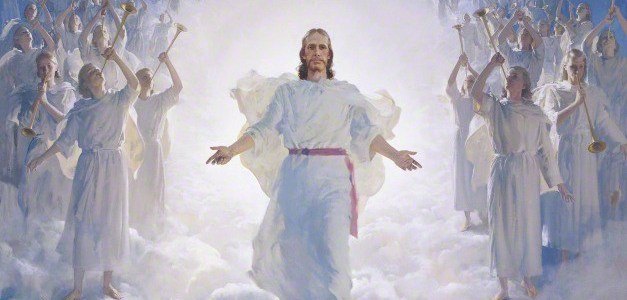
Thinking that he would have no more occasion to add to the Gold Plates, the prophet Moroni records a prayer to the Lord and bids farewell to his readers.

“…I…remember that thou hast said that thou hast prepared a house for man, yea, even among the mansions of thy Father, in which man might have a more excellent hope; wherefore man must hope, or he cannot receive an inheritance in the place which thou hast prepared. And again, I remember that thou hast said that thou hast loved the world, even unto the laying down of thy life for the world, that thou mightest take it again to prepare a place for the children of men. And now I know this love which thou hast had for the children of men is charity; wherefore, except men shall have charity they cannot inherit that place which thou hast prepared in the mansions of thy Father. Wherefore, I know by this thing which thou hast said, that if the Gentiles have not charity, because of our weakness, that thou wilt prove them, and take away their talent, yea, even that which they have received, and give unto them who shall have more abundantly.” (Ether 12:32-35)

“And it came to pass that I prayed unto the Lord that he would give unto the Gentiles grace, that they might have charity. And it came to pass that the Lord said unto me: If they have not charity it mattereth not unto thee, thou hast been faithful; wherefore thy garments shall be made clean. And because thou hast seen thy weakness thou shalt be made strong, even unto the sitting down in the place which I have prepared in the mansions of my Father.” (Ether 12:36-37)

“And now I, Moroni bid farewell unto the Gentiles, yea, and also unto my brethren whom I love, until we shall meet before the judgment seat of Christ, where all men shall know that my garments are not spotted with your blood. And then shall ye know that I have seen Jesus, and that he hath talked with me face to face in plain humility, even as a man telleth another in mine own language, concerning these things: And only a few have I written, because of my weakness in writing. And now I would commend you to seek this Jesus of whom the prophets and apostles have written, that the grace of God the Father, and also the Lord Jesus Christ, and the Holy Ghost, which beareth record of them, may be abide in you forever. Amen.” (Ether 12:38-41)

Questions:

-What is the sacrifice that God requires of his children now that the ancient practice of animal sacrifice, as prescribed in the law of Moses, has been done away?

-Is pride, and distain for others, an easy thing to let go of in order to offer a broken heart and a contrite spirit to the Lord?

-Would there be any hope for humanity if Christ chose to condemn us rather than doing all in His power to emphasize the good in us and lift us?

-Will a person ever be right with the Lord if they don’t take on His name and reflect His pure love in the way they live with and view others?
This Holy Calling Was Prepared for Such as Would Not Harden Their Hearts

True Priesthood leadership comes from those who are called by God and do not harden their hearts against the truth and power of Christ’s Atonement.

“…They have been called to this holy calling on account of their faith, while others would reject the Spirit of God on account of the blindness of their minds…” (Alma 13:4)

“…Thus this holy calling [was] prepared from the foundation of the world for such as would not harden their hearts, being in and through the atonement of the Only Begotten Son, who was prepared.” (Alma 13:5)

Questions:

-How much intelligence, truth, and grace can flow into a heart that is open to God’s Spirit and the power of Christ’s Atonement?

All Men Shall Reap a Reward of Their Works

Alma teaches the principle that we reap what we sow with our actions.

“…All men shall reap a reward of their works, according to that which they have been—if they have been righteous they shall reap the salvation of their souls, according to the power and deliverance of Jesus Christ; and if they have been evil they shall reap the damnation of their souls, according to the power and captivation of the devil.” (Alma 9:28)

Questions:

-If works can increase grace and grace can increase works. Does it make sense to denigrate the role of one or the other? Does it make more sense to emphasize their mutually reinforcing and “symbiotic” relationship?

-Since Christ has made works meaningful through His Atonement (opening up the way for the Father to treasure up all the good a person does and magnify it through all eternity), how vital is it to show appreciation for this unrivaled opportunity and move forward with good works?

He is Full of Grace, Equity, and Truth

Alma describes the nature of the glory that fills and radiates from God’s Son, Jesus Christ.

“…The Son of God shall come in his glory; and his glory shall be the glory of the Only Begotten of the Father, full of grace, equity, and truth, full of patience, mercy, and long-suffering, quick to hear the cries of his people and to answer their prayers.” (Alma 9:26)

Questions:

-Have you ever thought of God’s glory in terms of the intensity of His love and goodness towards His creations?

-Would God’s power be glorious (from the human perspective) if it was unaligned with His perfectly pure and generous intentions for our welfare?

Christ Is Mighty to Save and to Cleanse from All Unrighteousness

Alma extends an invitation to repent and enter into the baptismal covenant. This, he declares, is the path that leads to eternal life (for those who stay on the covenant path).

“…Ye must repent, and be born again; for the Spirit saith if ye are not born again ye cannot inherit the kingdom of heaven; therefore come and be baptized unto repentance, that ye may be washed from your sins, that ye may have faith on the Lamb of God, who taketh away the sins of the world, who is mighty to save and to cleanse from all unrighteousness. Yea, I say unto you come and fear not, and lay aside every sin, which easily doth beset you, which doth bind you down to destruction, yea, come and go forth, and show unto your God that ye are willing to repent of your sins and enter into a covenant with him to keep his commandments, and witness it unto him this day by going into the waters of baptism. And whosoever doeth this, and keepeth the commandments of God from thenceforth, the same will remember that I say unto him, yea, he will remember that I have said unto him, he shall have eternal life, according to the testimony of the Holy Spirit, which testifieth in me.” (Alma 7:14-16)

Questions:

-Are there habits or patterns of action in your life that you feel are binding you down to destruction?

-Is keeping the commandments different from following them perfectly?

-Since Christ is mighty to save, is there any question that keeping God’s commandments dear to your heart, and striving to do better in relationship to them day by day, will keep God’s Spirit and grace with you? What kind of person will you become with God’s help (in this life and in the eternities)?

One Man Shall Not Think Himself Above Another

After the Nephite people request a king, the man who the majority want to be their king (Alma) refuses. He explains why based on a specific commandment received from the Lord.

“Thus saith the Lord: Ye shall not esteem one flesh above another or one man shall not think himself above another.” (Mosiah 23:7)

Questions:

-What causes people to think they are better than others?

-How tempting is it for a person to seek confirmation that he or she is better than others?

-Does any good come from thoughts and actions based on a sense of superiority (or from establishing positions in social structure that signal superiority)?

-Since we are only saved by the grace of God through Christ’s loving Atonement, what position do we put ourselves in when we aren’t careful to extend the same kind of love to others (in our thoughts and actions) as Christ has extended to us?

The Priests Were Not to Depend upon the People for Their Support

Those who led the congregations of Christ’s people among the Nephites were not paid monetarily or with physical goods for their service. Rather, they supported themselves and their own families, and then also labored to serve the Lord and His people. This separation of financial incentive from spiritual service increased the grace and Spirit of God in their lives and they were able to teach with greater power and authority for the benefit of their followers.

“…The priests were not to depend upon the people for their support; but for their labor they were to receive the grace of God, that they might wax strong in the Spirit, having the knowledge of God, that they might teach with power and authority from God.” (Mosiah 18:26)

Questions:

-Can you see how mixing financial incentive and church (or synagogue) service could easily dilute the spiritual power of those who lead congregations?

-How many are willing (or able) to serve for the grace of God and forgo financial reimbursement for their service?