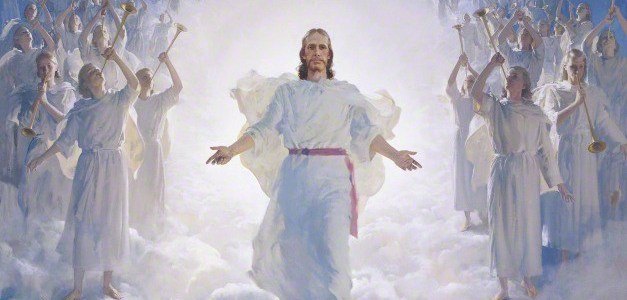
I Have Given You the Commandments Therefore Keep the Commandments

After teaching His gospel to a group of Lehi’s descendant’s (shortly after His Resurrection). Jesus Christ made the following statement:

“Behold, I have given unto you the commandments; therefore keep the commandments.” (3 Nephi 15:10)

Below are all the commandments that Christ gave to the group:

“…Ye shall offer up unto me no more the shedding of blood; yea, your sacrifices and your burnt offerings shall be done away, for I will accept none of your sacrifices and your burnt offerings.” (3 Nephi 9:19)

“…Ye shall offer for a sacrifice unto me a broken heart and a contrite spirit.” (3 Nephi 9:20)

Repent , and come unto me ye ends of the earth, and be saved.” (3 Nephi 9:22)

“…On this wise shall ye baptize; and there shall be no disputations among you. Verily I say unto you, that whoso repenteth of his sins through your words, and desireth to be baptized in my name, on this wise shall ye baptize them—Behold, ye shall go down and stand in the water, and in my name shall ye baptize them. And now behold, these are the words which ye shall say, calling them by name, saying: Having authority given me of Jesus Christ, I baptize you in the name of the Father, and of the Son, and of the Holy Ghost. Amen. And then shall ye immerse them in the water, and come forth again out of the water. And after this manner shall be baptize in my name…And according as I have commanded you thus shall ye baptize. And there shall be no disputations among you, as there have hitherto been, neither shall there be disputations among you concerning the points of my doctrine, as there have hitherto been.” (3 Nephi 11:22-28)

“…This is not my doctrine, to stir up the hearts of men with anger, one against another, but this is my doctrine that such things should be done away.” (3 Nephi 11:30)

“…The Father commandeth all men everywhere to repent and believe in me.” (3 Nephi 11:32)

“…Ye must repent and become as a little child and be baptized in my name…” (3 Nephi 11:37)

“…Go forth unto this people, and declare the words which I have spoken, unto the ends of the earth.” (3 Nephi 11:41)

“…I give unto you to be the salt of the earth…” (3 Nephi 12:13)

“…I give unto you to be the light of this people.” (3 Nephi 12:14)

“…Let you light so shine before this people, that they may see your good works and glorify your Father who is in heaven.” (3 Nephi 12:16)

“…Ye shall believe in me, and…repent of your sins, and come unto me with a broken heart and a contrite spirit.” (3 Nephi 12:19)

“…Thou shalt not kill…” (3 Nephi 12:21)

“…If ye shall come unto me, or shall desire to come unto me, and rememberest that thy brother hath aught against thee—Go thy way unto thy brother, and first be reconciled to thy brother, and then come unto me with full purpose of heart, and I will receive you.” (3 Nephi 12:23-24)

“Agree with thine adversary quickly while thou art in the way with him…” (3 Nephi 12:25)

“…Thou shalt not commit adultery. But I say unto you, that whosoever looketh on a woman, to lust after her, hath committed adultery already in his heart. Behold, I give unto you a commandment, that ye suffer none of these things to enter into your heart.” (3 Nephi 12:27-29)

“…Swear not at all; neither by heaven for it is God’s throne; Nor by the earth for it is his footstool; Neither shalt thou swear by the head, because thou canst not make one hair black or white; But let your communications be Yea, yea; Nay, nay; for whatever cometh more than these is evil.” (3 Nephi 12:34-37)

“…Ye shall not resist evil, but whosoever shall smite thee on thy right cheek, turn to him the other also; And if any man will sue thee at the law and take away thy coat, let him have thy cloak also; And whosoever shall compel thee to go a mile, go with him twain. Give to him that asketh thee, and from him that would borrow of thee turn thou not away.” (3 Nephi 12:39-42)

“…Love your enemies, bless them that curse you, do good to them that hate you, and pray for them who despitefully use you and persecute you…” (3 Nephi 12:44)

“…I would that ye should be perfect even as I, or your Father who is in heaven is perfect.” (3 Nephi 12:48)

“Verily, verily, I say that I would that ye should do alms unto the poor; but take heed that ye do not your alms before men to be seen of them…Therefore, when ye shall do your alms do not sound a trumpet before you, as will hypocrites do in the synagogues and in the streets, that they may have glory of men…But when thou doest alms let not thy left hand know what thy right hand doeth; That thine alms may be in secret…” (3 Nephi 13:1-2)

“And when thou prayest thou shalt not do as the hypocrites, for they love to pray, standing in the synagogues and in the corners of the streets, that they may be seen of men…But thou, when thou prayest, enter into thy closet, and when thou hast shut the door, pray to thy Father who is in secret…But when ye pray, use not vain repetitions, as the heathen, for they think that they shall be heard for their much speaking. Be not ye therefore like unto them, for your Father knoweth what things ye have need of before ye ask him.” (3 Nephi 13:5-8)

“After this manner therefore pray ye: Our Father who art in heaven, hallowed by thy name. Thy will be done on earth as it is in heaven. And forgive us our debts, as we forgive our debtors. And lead us not into temptation, but deliver us from evil. For thine is the kingdom, and the power, and the glory, forever. Amen. For, if ye forgive men their trespasses your heavenly Father will also forgive you. But if ye forgive not men their trespasses neither will your Father forgive your trespasses.” (3 Nephi 13:9-15)

“…When ye fast be not as the hypocrites, of a sad countenance, for they disfigure their faces that they may appear unto men to fast…But thou, when thou fastest, anoint thy head, and wash thy face; That thou appear not unto men to fast, but unto thy Father, who seeth in secret…” (3 Nephi 13:16-18)

“Lay not up for yourselves treasures upon earth, where moth and rust doth corrupt, and thieves break through and steal; But lay up for yourselves treasures in heaven…” (3 Nephi 13:19-20)

“…Judge not that ye be not judged.” (3 Nephi 14:2)

“…First cast the beam out of thine own eye; and then shalt thou see clearly to cast the mote out of thy brother’s eye.” (3 Nephi 14:5)

“Give not that which is holy unto the dogs, neither cast ye your pearls before swine…” (3 Nephi 14:6)

Ask, and it shall be given unto you; seek and ye shall find; knock, and it shall be opened unto you.” (3 Nephi 14:7)

“…All things whatsoever you would that men should do to you, do ye even so to them…” (3 Nephi 14:12)

“Enter ye in at the strait gate; for wide is the gate, and broad is the way, which leadeth to destruction…” (3 Nephi 14:13)

“Beware of false prophets, who come to you in sheep’s clothing, but inwardly they are ravening wolves.” (3 Nephi 14:15)

 “Look unto me and endure to the end, and ye shall live…” (3 Nephi 15:9)

Questions:

-Are the above commandments in force now in our time?

-How many of them only apply to those who have made a covenant to follow Christ?
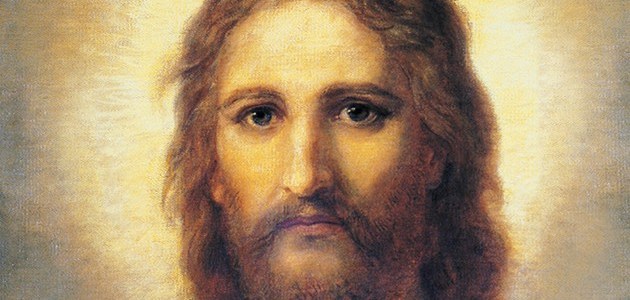
Come unto Me and Be Ye Saved

Christ (shortly after his crucifixion and resurrection) visited a group of Lehi’s descendants living in the Americas. Below He succinctly reviews what he had taught them up to that point.

“…I have given you the law and the commandments of my Father, that ye shall believe in me, and that ye shall repent of your sins, and come unto me with a broken heart and a contrite spirit. Behold, ye have the commandments before you, and the law is fulfilled. Therefore come unto me and be ye saved; for verily I say unto you, that except ye shall keep my commandments, which I have commanded you at this time, ye shall in no case enter into the kingdom of heaven.” (3 Nephi 12:19-20)

Questions:

-How does one make the choice to believe in Jesus Christ?

-Is it possible to truly repent of one’s sins without having a broken heart and a contrite spirit?

-How does one come unto Christ as commanded?

After Ye Are Baptized with Water, I Will Baptize You with Fire and with the Holy Ghost

Below are some of the words spoken by the resurrected Savior to a group of Lehi’s descendants. They had congregated at one of their temples, after a massive natural upheaval, when the Lord descended from heaven to bless and teach them.

“…Blessed are ye if ye shall give heed unto the words of these twelve whom I have chosen from among you to minister unto you, and to be your servants; and unto them I have given power that they may baptize you with water; and after that ye are baptized with water, behold, I will baptize you with fire and with the Holy Ghost; therefore blessed are ye if ye shall believe in me and be baptized, after that ye have seen me and know that I am. And again, more blessed are they who shall believe in your words because that ye shall testify that ye have seen me, and that ye know that I am. Yea, blessed are they who shall believe in your words, and come down in the depths of humility and be baptized, for they shall be visited with fire and with the Holy Ghost, and shall receive a remission of their sins.” (3 Nephi 12:1-2)

Questions:

-Are there twelve who have been chosen to minister to the world in our time?

-Did they receive their authority from a line of priesthood directly instituted by Jesus Christ himself?

-Why does Christ speak of those who did not see him in person, but believed the words of those who did see Him in person, as being more blessed? -What are the depths of humility?

This Is My Doctrine

Jesus Christ declares the core of His doctrine:

“…This is my doctrine, and it is the doctrine which the Father hath given unto me; and I bear record of the Father, and the Father beareth record of me, and the Holy Ghost beareth record of the Father and me; and I bear record that the Father commandeth all men, everywhere, to repent and believe in me. And whoso believeth in me, and is baptized, the same shall be saved; and they are they who shall inherit the kingdom of God. And whoso believeth not in me, and is not baptized, shall be damned. Verily, verily I say unto you, that this is my doctrine, and I bear record of it from the Father; and whoso believeth in me believeth in the Father also; and unto him will the Father bear record of me, for he will visit him with fire and with the Holy Ghost. And thus will the Father bear record of me, and the Holy Ghost will bear record unto him of the Father and me; for the Father, and I, and the Holy Ghost are one.” (3 Nephi 11:32-36)

“And again, I say unto you, ye must repent, and become as a little child, and be baptized in my name, or ye can in nowise receive these things. And again I say unto you, ye must repent, and be baptized in my name, and become as a little child, or ye can in nowise inherit the kingdom of God. Verily, verily I say unto you, that this is my doctrine, and whoso buildeth upon this buildeth upon my rock, and the gates of hell shall not prevail against them. And whoso shall declare more or less than this, and establish it for my doctrine, the same cometh of evil, and is not built upon my rock; but buildeth upon a sandy foundation, and the gates of hell stand open to receive such when the floods come and the winds beat upon them. Therefore, go forth unto this people, and declare the words which I have spoken, unto the ends of the earth.” (3 Nephi 11:37-41)

Questions:

-What is the significance of Christ using the word “verily” twice to emphasize the truth of what He was teaching?

Unto Him That Has Faith unto Repentance is Brought about the Great and Eternal Plan of Salvation

Amulek teaches (in about 74 B.C.) that the intent of Christ’s Atonement is to bring mercy to as many as will receive it.

“…He shall bring salvation to all those who shall believe on his name; this being the intent of this last sacrifice, to bring about the bowels of mercy, which overpowereth justice, and bringeth about means unto men that they may have faith unto repentance. And thus mercy can satisfy the demands of justice, and encircles them in the arms of safety, while he that exercises no faith unto repentance is exposed to the whole law of the demands of justice; therefore only unto him that has faith unto repentance is brought about the great and eternal plan of salvation.” (Alma 34:15-16)

Questions:

-Do you desire to be encircled in the arms of Christ’s mercy?

-How can one apply faith unto repentance in order to find this precious mercy?

God is Merciful unto All Who Believe on His Name

Alma teaches that belief in God and His word, in the initial phases of faith, is a matter of choice. The truths of the gospel can never be meaningfully explored and tested without initial steps of hope and faith into the realm of belief.

“…Faith is not to have a perfect knowledge of things; therefore if ye have faith ye hope for things which are not seen, which are true. And now, behold, I say unto you, and I would that ye should remember, that God is merciful unto all who believe on his name; therefore he desireth, in the first place, that ye should believe, yea, even on his word. And now, he imparteth his word by angels unto men, yea, not only men but women also. Now this is not all; little children do have words given unto them many times, which confound the wise and the learned.” (Alma 32:21-23)

Questions:

-Have you made the choice to believe in God?

-Is there any other way to start down the path of spiritual growth and knowledge?

-What is the hope that leads to redeeming spiritual knowledge (see Moro. 7:40–43)

God Has All Power, All Wisdom, All Understanding, and Is a Merciful Being

Ammon teaches about God’s characteristics.

“…[God] has all power, all wisdom, and all understanding; he comprehendeth all things, and he is a merciful Being, even unto salvation, to those who will repent and believe on his name.” (Alma 26:35)

Questions:

-Why is God merciful?

-Does mercy guide how God exercises His endless and perfect power?

-Can power be perfectly exercised without perfect wisdom, perfect understanding, and all-encompassing comprehension?

-Does God ever use His power to force people to do what is good and right?

-Does God allow us to choose between giving our individual wills to Him and withholding our wills from Him?

-Since God is merciful, in addition to all His other perfections, is there any difference between God’s will for us and what is best for us?

Teachings of Latter-Day Prophets, Seers, and Revelators:

From Elder Neal A. Maxwell:

“Some have sincere faith in the existence of a God but not necessarily in a revealing and omniscient God. Other sincere individuals question God’s omniscience, wondering, even though respectfully, whether even God can know the future. But an omniscient and revealing God can at any present moment disclose things future. This is possible because ‘in the presence of God, … all things for their glory are manifest, past, present, and future, and are continually before the Lord’ (D&C 130:7). Thus God ‘knoweth all things, for all things are present before [his] eyes’ (D&C 38:2). He told Moses, ‘There is no God beside me, and all things are present with me, for I know them all’ (Moses 1:6).

“No qualifiers on the scope of God’s knowledge appear in holy writ. Instead, we read: ‘O how great the holiness of our God! For he knoweth all things, and there is not anything save he knows it.’ (2 Nephi 9:20.)” (If Thou Endure It Well [1996], 46).

If Our Hearts Have Been Hardened Against the Word of God, Then Will Our State Be Awful

Alma provides a grave warning about the consequences of hardening one’s heart towards God’s word and Spirit.

“…If our hearts have been hardened, yea, if we have hardened our hearts against the word, insomuch that it has not been found in us, then will our state be awful, for we shall be condemned. For our words will condemn us, yea, all our works will condemn us; we shall not be found spotless; and our thoughts will also condemn us; and in this awful state we shall not dare to look up to our God; and we would fain be glad if we could command the rocks and the mountains to fall upon us to hide us from his presence. But this cannot be; we must come forth and stand before him in his glory, and in his power, and in his might, majesty, and dominion, and acknowledge to our everlasting shame that all his judgments are just; that he is just in all his works, and that he is merciful unto the children of men, and that he has all power to save every man that believeth on his name and bringeth forth fruit meet for repentance.” (Alma 12:13-15)

“And now behold, I say unto you then cometh a death, even a second death, which is a spiritual death; then is a time that whosoever dieth in his sins, as to a temporal death, shall also die as to things pertaining unto righteousness. This is the time when their torments shall be as a lake of fire and brimstone, whose flame ascendeth up forever and ever; and then is the time that they shall be chained down to an everlasting destruction, according to the power and captivity of Satan, he having subjected them according to his will. Then, I say unto you, they shall be as though there had been no redemption made; for they cannot be redeemed according to God’s justice; and they cannot die, seeing there is no more corruption.” (Alma 12:16-18)

Questions:

-Do you believe life is a proving ground and what we sow we will reap in perfect clarity before God at the Last Judgment?

-How does God’s word help one to sow in righteousness?

Ye Cannot Be Saved in Your Sins

Amulek teaches that reconciliation with God through Jesus Christ is the only way to obtain the kingdom of heaven. Such reconciliation requires true repentance away from sin.

“…No unclean thing can inherit the kingdom of heaven; therefore, how can ye be saved, except ye inherit the kingdom of heaven? Therefore, ye cannot be saved in your sins.” (Alma 11:37)

“[Christ] shall take upon him the transgressions of those who believe on his name; and these are they that shall have eternal life, and salvation cometh to none else. Therefore the wicked remain as though there had been no redemption made, except it be the loosing of the bands of death, for behold, the day cometh that all shall rise from the dead and stand before God, and be judged according to their works.” (Alma 11:40-41)

Questions:

-How does Christ draw a person from being in sin and save him or her from sin? Will He ever violate the principle of free agency to do so?

-If to be in sin means being complacent about wrongdoing, is it clear why Christ won’t save a person in his or her sin?

Believe That Man Doth not Comprehend All Things Which the Lord Can Comprehend

King Benjamin instructs his people to believe in God (and act according to that belief) as a means towards salvation.

“Believe in God; believe that he is, and that he created all things, both in heaven and in earth; believe that he has all wisdom, and all power, both in heaven and in earth; believe that man doth not comprehend all things which the Lord can comprehend. And again, believe that ye must repent of your sins and forsake them, and humble yourselves before God; and ask in sincerity of heart that he would forgive you; and now, if you believe all these things see that ye do them.” (Mosiah 4:9-10)

Questions:

-Is it possible to intentionally believe in God? Or, can true belief in God only follow a certain degree, or amount, of evidence.

-When a person chooses to believe in a perfect God (the Author of all that is good) can the Holy Spirit witness to his or her soul that the belief is truth?

-Is there any greater evidence than that provided by the power of the Holy Ghost to testify of truth?