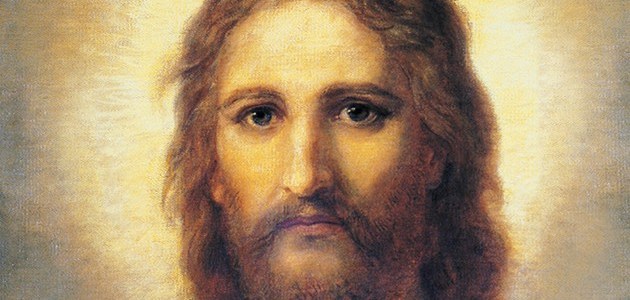
Blessed Are All the Pure in Heart, For They Shall See God

Jesus Christ taught the descendants of Lehi in the Americas (who were of the house of Israel) many of the same gospel principles He taught to His Jewish disciples in the Old World. The teachings as recorded in the book of Matthew, found in the New Testament, known as the Beatitudes (Matthew 5:1-12) were again taught by the Savior when he visited Lehi’s descendants.

Below is the sixth of the Beatitudes, as recorded in the King James version of Matthew, and the comparable teaching as found in 3 Nephi of the Book of Mormon.

Blessed are the pure in heart: for they shall see God.” (Matthew 5:8)

And blessed are all the pure in heart, for they shall see God.” (3 Nephi 12:8)

Questions:

-What is the relationship between having a pure heart and seeing God?

-Does this apply to one’s heavenly destination as well as to one’s ability to see God’s beauty in this mortal life?

Blessed Are the Merciful, For They Shall Obtain Mercy

Jesus Christ taught the descendants of Lehi in the Americas (who were of the house of Israel) many of the same gospel principles He taught to His Jewish disciples in the Old World. The teachings as recorded in the book of Matthew, found in the New Testament, known as the Beatitudes (Matthew 5:1-12) were again taught by the Savior when he visited Lehi’s descendants.

Below is the fifth of the Beatitudes, as recorded in the King James version of Matthew, and the comparable teaching as found in 3 Nephi of the Book of Mormon.

Blessed are the merciful: for they shall obtain mercy.” (Matthew 5:7)

And blessed are the merciful, for they shall obtain mercy.” (3 Nephi 12:7)

Questions:

-Is it possible for a person to be both merciful and just in their actions? Or, does insisting on justice always downplay mercy and vice versa?

Blessed Are They Who Do Hunger and Thirst after Righteousness, For They Shall be Filled with the Holy Ghost

Jesus Christ taught the descendants of Lehi in the Americas (who were of the house of Israel) many of the same gospel principles He taught to His Jewish disciples in the Old World. The teachings as recorded in the book of Matthew, found in the New Testament, known as the Beatitudes (Matthew 5:1-12) were again taught by the Savior when he visited Lehi’s descendants.

Below is the fourth of the Beatitudes, as recorded in the King James version of Matthew, and the comparable teaching as found in 3 Nephi of the Book of Mormon.

Blessed are they which do hunger and thirst after righteousness: for they shall be filled.” (Matthew 5:6)

And blessed are all they who do hunger and thirst after righteousness, for they shall be filled with the Holy Ghost.” (3 Nephi 12:6)

Questions:

-Is hungering and thirsting after “righteousness” as defined by one’s culture different from hungering and thirsting after God’s righteousness?

-Is it possible to find true righteousness, and to be truly spiritually filled, without the influence of the Holy Ghost?

Teachings of Latter-day Prophets, Seers, and Revelators

“…A visitation of an angel…would not leave the impression and would not convince us and place within us that something which we cannot get away from which we receive through a manifestation of the Holy Ghost. Personal visitations might become dim as time goes on, but this guidance of the Holy Ghost is renewed and continued, day after day, year after year, if we live to be worthy of it (Smith, Doctrines of Salvation, 1:44).

Blessed are the Meek, For They Shall Inherit the Earth

Jesus Christ taught the descendants of Lehi in the Americas (who were of the house of Israel) many of the same principles He taught to His Jewish disciples in the Old World. The teachings as recorded in the book of Matthew, found in the New Testament, known as the Beatitudes (Matthew 5:1-12) were again taught by the Savior when he visited Lehi’s descendants.

Below is the third of the Beatitudes, as recorded in the King James version of Matthew, and the comparable teaching as found in 3 Nephi of the Book of Mormon.

Blessed are the meek: for they shall inherit the earth.” (Matthew 5:5)

And blessed are the meek, for they shall inherit the earth.” (3 Nephi 12:5)

Questions:

-How much of the pain and suffering in the interpersonal affairs of humanity is caused by those who are the opposite of meek (god-despising, unprincipled, prideful, arrogant, impatient, dismissive of gospel teachings)?

-Will any of the above (who don’t repent) be a part of the beautiful society that will exist upon the Earth after it is celestialized?

Blessed Are They That Mourn, For They Shall Be Comforted

Jesus Christ taught the descendants of Lehi in the Americas (who were of the house of Israel) many of the same principles He taught to His Jewish disciples in the Old World. The teachings as recorded in the book of Matthew, found in the New Testament, known as the Beatitudes (Matthew 5:1-12) were again taught by the Savior when he visited Lehi’s descendants.

Below is the second of the Beatitudes, as recorded in the King James version of Matthew, and the comparable teaching as found in 3 Nephi of the Book of Mormon.

Blessed are they that mourn: for they shall be comforted.” (Matthew 5:4)

And again, blessed are all they that mourn, for they shall be comforted.” (3 Nephi 12:4)

Questions:

-Do the pains and disappointments of this life provide the context in which the joys and blessings of heaven are deeply appreciated and valued (for eternity)?

Blessed Are the Poor in Spirit Who Come unto Me

Jesus Christ taught the descendants of Lehi in the Americas (who were of the house of Israel) many of the same principles He taught to His Jewish disciples in the Old World. The teachings as recorded in the book of Matthew, found in the New Testament, known as the Beatitudes (Matthew 5:1-12) were again taught by the Savior when he visited Lehi’s descendants.

Below is the first of the Beatitudes, as recorded in the King James version of Matthew, and the comparable teaching as found in 3 Nephi of the Book of Mormon.  

“Blessed are the poor in spirit: for theirs is the kingdom of heaven” (Matthew 5:3)

Yea, blessed are the poor in spirit who come unto me, for theirs is the kingdom of heaven.” (3 Nephi 12:3)

Questions:

-Why would God inspire Joseph Smith to interpret the Beatitudes – as taught by Christ to Lehi’s descendants in the Americas — in language very similar to the King James version of the Bible?

-Do you feel the phrase, “who come unto me,” is an inspired addition to what is found in Matthew.

-What does it mean to be poor in spirit?

-Is it possible to truly come unto Christ if one is not poor in spirit?

After Ye Are Baptized with Water, I Will Baptize You with Fire and with the Holy Ghost

Below are some of the words spoken by the resurrected Savior to a group of Lehi’s descendants. They had congregated at one of their temples, after a massive natural upheaval, when the Lord descended from heaven to bless and teach them.

“…Blessed are ye if ye shall give heed unto the words of these twelve whom I have chosen from among you to minister unto you, and to be your servants; and unto them I have given power that they may baptize you with water; and after that ye are baptized with water, behold, I will baptize you with fire and with the Holy Ghost; therefore blessed are ye if ye shall believe in me and be baptized, after that ye have seen me and know that I am. And again, more blessed are they who shall believe in your words because that ye shall testify that ye have seen me, and that ye know that I am. Yea, blessed are they who shall believe in your words, and come down in the depths of humility and be baptized, for they shall be visited with fire and with the Holy Ghost, and shall receive a remission of their sins.” (3 Nephi 12:1-2)

Questions:

-Are there twelve who have been chosen to minister to the world in our time?

-Did they receive their authority from a line of priesthood directly instituted by Jesus Christ himself?

-Why does Christ speak of those who did not see him in person, but believed the words of those who did see Him in person, as being more blessed? -What are the depths of humility?

This Is My Doctrine

Jesus Christ declares the core of His doctrine:

“…This is my doctrine, and it is the doctrine which the Father hath given unto me; and I bear record of the Father, and the Father beareth record of me, and the Holy Ghost beareth record of the Father and me; and I bear record that the Father commandeth all men, everywhere, to repent and believe in me. And whoso believeth in me, and is baptized, the same shall be saved; and they are they who shall inherit the kingdom of God. And whoso believeth not in me, and is not baptized, shall be damned. Verily, verily I say unto you, that this is my doctrine, and I bear record of it from the Father; and whoso believeth in me believeth in the Father also; and unto him will the Father bear record of me, for he will visit him with fire and with the Holy Ghost. And thus will the Father bear record of me, and the Holy Ghost will bear record unto him of the Father and me; for the Father, and I, and the Holy Ghost are one.” (3 Nephi 11:32-36)

“And again, I say unto you, ye must repent, and become as a little child, and be baptized in my name, or ye can in nowise receive these things. And again I say unto you, ye must repent, and be baptized in my name, and become as a little child, or ye can in nowise inherit the kingdom of God. Verily, verily I say unto you, that this is my doctrine, and whoso buildeth upon this buildeth upon my rock, and the gates of hell shall not prevail against them. And whoso shall declare more or less than this, and establish it for my doctrine, the same cometh of evil, and is not built upon my rock; but buildeth upon a sandy foundation, and the gates of hell stand open to receive such when the floods come and the winds beat upon them. Therefore, go forth unto this people, and declare the words which I have spoken, unto the ends of the earth.” (3 Nephi 11:37-41)

Questions:

-What is the significance of Christ using the word “verily” twice to emphasize the truth of what He was teaching?

He Who Has a Spirit of Contention is Not of Me

Christ, speaking to a group of Lehi’s descendants in the Americas around 34 B.C., teaches that anger and contention are tools of the devil.

“…And there shall be no disputations among you, as there have hitherto been; neither shall there be disputations among you concerning the points of my doctrine, as there have hitherto been. For verily, verily I say unto you, he that hath the spirit of contention is not of me, but is of the devil, who is the father of contention, and he stirreth up the hearts of men to contend with anger, one with another. Behold, this is not my doctrine, to stir up the hearts of men with anger, one against another; but this is my doctrine, that such things should be done away.” (3 Nephi 11:28-30)

Questions:

-Is it possible to contend with one’s enemies (which is sometimes necessary as taught in Alma 43:46-47) without involving anger?

-How focused are these teachings on the social environment that should exist in Christ’s church as opposed to a more general application.

On This Wise Shall Ye Baptize

Christ called priesthood holders in the Americas (around 34 A.D.) and taught them the specific way in which baptisms should be performed:

“Verily I say unto you, that whoso repenteth of his sins through your words, and desireth to be baptized in my name, on this wise shall ye baptize them—Behold, ye shall go down and stand in the water, and in my name shall ye baptize them. And now behold, these are the words which ye shall say, calling them by name, saying: Having authority given me of Jesus Christ, I baptize you in the name of the Father, and of the Son, and of the Holy Ghost. Amen. And then shall ye immerse them in the water, and come forth again out of the water. And after this manner shall ye baptize in my name; for behold, verily I say unto you, that the Father, and the Son, and the Holy Ghost are one; and I am in the Father, and the Father in me, and the Father and I are one. And according as I have commanded you thus shall ye baptize.” (3 Nephi 11:23-28)

Questions:

-Why did Christ, while visiting a group of Lehi’s descendants, focus on teaching the correct manner of baptism?

-What does this say about how important the proper baptismal ordinance is to God?